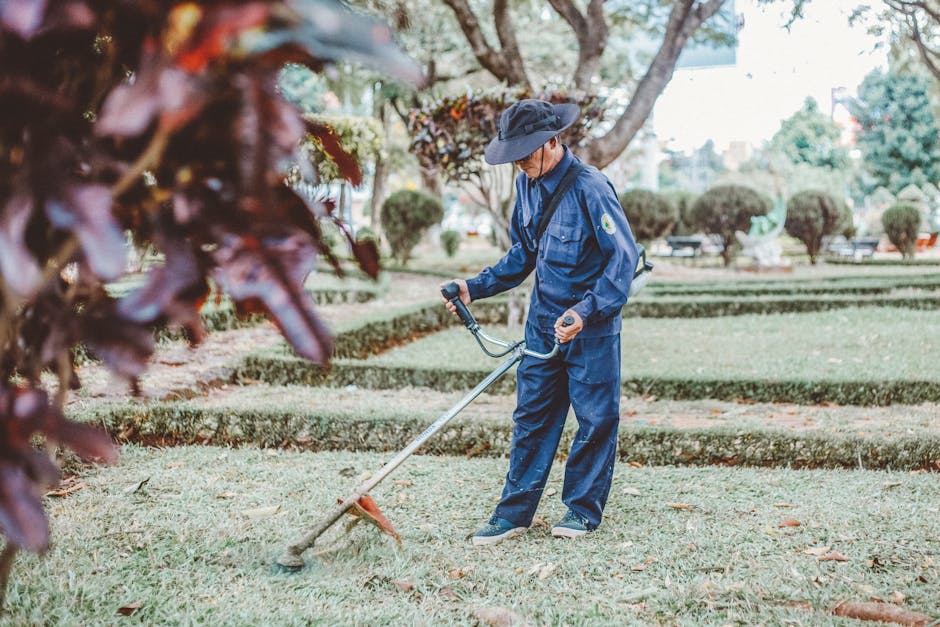
Winter Garden Maintenance Charlton 2026 Booking and Costs: A Practical Local Guide
Winter garden maintenance in Charlton for 2026 is one of those jobs that feels easy to put off until the first frosty morning arrives and everything suddenly looks a bit sad, a bit soggy, and a bit more urgent than expected. If you are trying to work out what to book, when to book it, and how much it may cost, this guide is for you. We will walk through the real-world tasks, the booking process, the factors that shape pricing, and the sensible choices that help you keep a garden healthy through the colder months without overspending.
To be fair, winter maintenance is not glamorous. But it does stop small issues becoming expensive ones. A few hours of the right care can mean less breakage, fewer pests, better drainage, tidier boundaries, and a smoother start to spring. And if you are comparing options, you may also find it useful to look at broader garden maintenance support or related seasonal help such as hedge trimming, lawn mowing, and garden clearance.
Expert summary: Winter garden work in Charlton is usually about prevention, not perfection. The best bookings focus on safety, drainage, plant protection, and keeping the garden manageable until growth returns. Costs vary mainly by size, access, condition, and whether you need a one-off visit or a recurring winter plan.
Contents
- Why winter garden maintenance matters
- How winter maintenance booking and costs work
- Key benefits and practical advantages
- Who this is for and when it makes sense
- Step-by-step guidance
- Expert tips for better results
- Common mistakes to avoid
- Tools, resources and recommendations
- Law, compliance, standards, or best practice
- Options, methods, or comparison table
- Case study or real-world example
- Practical checklist
- Conclusion
- Frequently asked questions
Why Winter Garden Maintenance Charlton 2026 Booking and Costs Matters
Winter gardens in Charlton do not fail loudly. They usually slip into trouble quietly. A blocked drain here, a wind-damaged shrub there, a lawn that never quite dries out, and then suddenly you are dealing with mess, rot, or costly remedial work. That is why winter garden maintenance matters so much. It is less about making everything look perfect and more about keeping the garden stable through the wet, cold, windy stretch of the year.
Charlton gardens, like many in London, can be a mixed bag. You may have compact urban plots, shared access, mature trees, hard landscaping, raised beds, or older boundary planting that has done its best through summer and now needs a reset. Some spaces cope well with winter. Others absolutely do not. If the garden is exposed, shaded, or heavy with clay soil, winter maintenance becomes even more valuable because water sits around longer and roots can suffer.
Booking early for 2026 is also a practical move. Winter appointments are often more available than the spring rush, but the better slots still go quickly, especially after stormy weather. If you already know you will need help with pruning, clearance, or boundary tidying, there is a good case for getting a quote sooner rather than later. No drama, just sensible planning.
There is another reason this matters: cost control. When you leave winter tasks too long, the work usually becomes bigger. A light tidy-up becomes a full clearance. A small hedge trim turns into difficult access work. A bit of leaf management becomes a slippery, compacted mess. That is how winter costs creep up.
How Winter Garden Maintenance Charlton 2026 Booking and Costs Works
Most winter garden maintenance bookings in Charlton follow a fairly simple process. It usually starts with an enquiry, then a site assessment or description of the garden, followed by a quote based on the type of work, how long it is likely to take, and what equipment or disposal is required. Straightforward enough. The detail, as always, is where the price is shaped.
A winter maintenance visit may include some or all of the following:
- leaf clearance and light garden tidying
- pruning of dormant shrubs and selected plants
- hedge reduction or boundary shaping where appropriate
- lawn care, including clearing debris and avoiding damage in wet conditions
- checking drainage issues, raised beds, and waterlogged spots
- protecting vulnerable planting with mulch or coverings
- clearing pathways, patios, and access routes to reduce slip risk
- removing dead material, broken stems, and storm debris
Not every garden needs every task. In fact, the best winter work is usually selective. A knowledgeable gardener will look at what should be cut back now, what should wait until late winter or early spring, and what should be left alone because it helps wildlife or protects the plant. That judgement matters. A lot.
Booking and costs are often affected by whether you want a one-off winter tidy or a repeated schedule. A monthly or bi-monthly arrangement can be more efficient for larger or more exposed gardens, while a single visit may suit smaller spaces that only need a reset after leaves fall or after a storm. If you already use a local services overview to plan your garden work, winter maintenance usually slots neatly into the broader year-round picture.
In practical terms, the quote may reflect:
- garden size
- level of overgrowth or debris
- access constraints such as side return width or steps
- disposal needs for green waste
- specialist tasks, such as larger pruning or tree-related work
- whether tools, bags, or safety equipment are needed
There is no single fixed price that suits every garden, and anyone promising one exact figure without seeing the space is probably oversimplifying things. Truth be told, the quote should be clear enough that you know what is included and what is not.
Key Benefits and Practical Advantages
The biggest benefit of winter maintenance is prevention. That sounds obvious, but it is the heart of it. A little attention now can save you from bigger headaches later. And winter tends to expose weak points quickly.
- Less weather damage: Clearing loose growth and securing vulnerable plants reduces the chance of breakage in wind or frost.
- Improved drainage and access: Leaf build-up and soil compaction can make a garden slippery and waterlogged; keeping pathways clear helps a lot.
- Healthier plants: Selective pruning and mulching support stronger growth when the season turns.
- Lower long-term cost: Small winter jobs are usually cheaper than emergency recovery work after neglect.
- Better spring start: A tidier winter garden means less catching up in March and April, which is a relief when everyone else is rushing.
There is also a less obvious benefit: peace of mind. You know the borders are under control, the paths are safer, and the garden is not quietly deteriorating behind the back window. It sounds minor. It isn't, really.
For landlords, property managers, and homeowners alike, winter maintenance also helps a garden stay presentable if the property is being viewed, rented, or sold. A well-kept outdoor space gives a much better impression than one full of soggy leaves and awkward tangled growth.
Who This Is For and When It Makes Sense
Winter garden maintenance makes sense for a wide range of Charlton properties. Some gardens need regular support all year. Others only need seasonal visits. The question is less "Do I need it?" and more "What level of winter care is right for my space?"
This is especially relevant for:
- homeowners who want to avoid spring overload
- tenants and landlords needing tidy, safe outdoor areas
- older gardens with mature shrubs, trees, or hedges
- newer gardens where lawns and borders are still settling
- properties with heavy shade, poor drainage, or wind exposure
- busy households that simply do not have the time in colder months
If your garden has hedges that have grown a bit wild over summer, winter is often a sensible time to bring them back under control, depending on species and nesting considerations. If the lawn is soggy and you are tempted to march across it anyway, best not. Wet winter soil compacts easily, and that can make things worse for months.
It also makes sense if you are planning other outdoor improvements. For example, tidying the garden first can help you see whether you need more structural work later, perhaps through landscape gardening, broader landscaping, or even attention to features like decking services. Winter maintenance often clarifies the next step.
Step-by-Step Guidance
If you are booking winter garden maintenance in Charlton for 2026, a calm, structured approach works best. The aim is to avoid overbuying work you do not need, while making sure the important jobs are not skipped.
- Walk the garden with fresh eyes. Look for leaf build-up, water pooling, broken branches, loose edging, and any plants that are leaning or struggling.
- Separate urgent issues from cosmetic ones. A blocked pathway or dangerous branch needs attention sooner than a border that just looks messy.
- Decide whether you need one visit or ongoing care. A one-off tidy may be enough for smaller gardens, while larger spaces often benefit from a winter schedule.
- Ask for a clear scope. Make sure the quote explains what is included: pruning, clearance, waste removal, hedge work, or extra labour for access.
- Confirm timing and weather flexibility. Winter work can be affected by frost, heavy rain, or high winds. A little flexibility avoids disappointment.
- Prepare access. Move bins, bikes, garden furniture, and anything awkwardly placed. It speeds things up and keeps the visit efficient.
- Review the result and next steps. Once the work is done, ask what should be left until late winter or spring. Good maintenance is as much about sequencing as cutting.
If the garden includes dense or high hedging, the job may overlap with more specialist hedge trimming work. If there are larger woody plants or safety concerns, you may also need to discuss tree lopping and removal separately, because those tasks can require different planning and equipment.
One small but useful tip: take photos before winter work begins. Not for drama, just for reference. It makes it easier to see what changed and helps you judge whether the job delivered what you expected. A very ordinary trick, but a good one.
Expert Tips for Better Results
Winter maintenance works best when you think in terms of plant health, safety, and timing. Not all tidy-up work belongs in midwinter. Some of it does, some of it definitely does not.
1. Prune with purpose, not habit. A lot of winter damage comes from cutting simply because something looks untidy. Good pruning has a reason: shape, airflow, removing dead material, or protecting structure. If in doubt, less can be more.
2. Keep an eye on drainage. Charlton gardens with compacted soil or low spots can become boggy very quickly. Simple actions like leaf clearance, clearing channels, and reducing soil obstruction around paths make a noticeable difference.
3. Protect roots before a cold snap. Mulch helps moderate temperature swings and reduce surface drying. It is not magic, but it does give plants a steadier winter environment.
4. Treat turf carefully. Winter lawns are easily scarred when wet. If you need to walk across them, keep it brief and avoid repeated passes. Common sense, really, but easy to forget when you are carrying bags of debris.
5. Ask about disposal upfront. Green waste removal should be discussed before work starts. The price is often clearer when everyone knows whether waste is being taken away, composted on site, or left in your bins.
6. Think ahead to spring. The best winter jobs make spring easier. If a task will be safer, better, or more effective in late winter, it can be worth waiting a few weeks rather than forcing it now.
There is a small art to winter garden work. Nothing dramatic. Just timing, judgement, and a willingness to leave some things alone. That last bit is harder than it sounds.
Common Mistakes to Avoid
Winter garden maintenance often goes wrong in very predictable ways. That is actually good news, because predictable problems are easier to avoid.
- Booking too late: If you wait until the worst weather arrives, you may struggle to get the slot you want.
- Asking for too much in one visit: Winter conditions can limit what is sensible or safe. Try to bundle jobs thoughtfully.
- Cutting back the wrong plants: Some shrubs and perennials are better left for another time. Over-pruning can weaken them.
- Ignoring access problems: Narrow side access, steep steps, or locked gates can affect labour time and price.
- Assuming all quotes include waste removal: They often do not. Ask directly.
- Forcing lawn work in wet soil: This is one of those "it looked fine at the time" decisions that causes months of annoyance.
- Forgetting safety: Slippery surfaces, hidden branches, and unstable ground are all more serious in winter.
Another common mistake is chasing neatness too aggressively. A winter garden is not meant to look like summer in disguise. Some structure should remain, and some habitats should be left undisturbed. It's a garden, not a showroom.
Tools, Resources and Recommendations
Good winter maintenance does not need a warehouse of kit, but the right tools make the work cleaner and safer. For homeowners, the useful basics are usually pretty simple.
- strong gloves and weatherproof footwear
- secateurs and loppers for light pruning
- leaf rakes and garden bags for tidy-up work
- tarps or sheets for moving debris cleanly
- mulch materials for root protection
- spare lighting if you are working in short winter daylight
If you are hiring help, ask whether the team brings their own equipment, whether specialist tools are needed, and how they manage waste. A professional operation should also have sensible policies in place for safety and security. You can review practical details in the company's insurance and safety information and its health and safety policy.
For payment confidence and peace of mind, it also helps to understand how invoicing, deposits, and payment terms are handled. The payment and security page is a useful place to check those expectations before work begins. Nobody likes surprises at the end, especially not financial ones.
If you prefer to see how services are presented more broadly, it can also help to read about the business on the about us page and review the full list of offer types on the services overview.
Law, Compliance, Standards, or Best Practice
For most homeowners, winter garden maintenance is straightforward, but there are still a few important best-practice points to keep in mind. Some are about safety. Some are about being a good neighbour. A couple are just sensible UK garden practice.
First, if pruning or hedge work could affect nesting birds, it should be handled with care and at an appropriate time. That is a broad seasonal principle rather than a hard rule for every situation, but it matters. If there is any sign of nesting activity, work should pause and be reassessed.
Second, larger tree work is not the same as routine tidying. Anything involving height, unstable limbs, or awkward loading should be treated as a higher-risk task. That is where specialist planning matters, and why services such as tree lopping and removal need proper judgement rather than a rushed approach.
Third, safe work practice matters in winter more than at other times because the ground is slippery, visibility is poorer, and weather changes fast. A responsible gardener should consider access routes, tool handling, lifting, disposal, and the condition of surfaces before starting. If a day becomes unsafe, the sensible move is often to pause. Not ideal, but better than pushing on and regretting it.
Fourth, waste handling should be sensible and compliant with good environmental practice. Where possible, green waste should be separated and recycled appropriately. If sustainability is important to you, check the company's approach via recycling and sustainability.
Finally, terms, scope, and complaints procedures should be clear. A service business that explains what happens if plans change, work is delayed by weather, or a concern arises is usually easier to deal with. For that, the terms and conditions and complaints procedure pages are worth checking before you book.
Options, Methods, or Comparison Table
Not every winter garden needs the same type of support. Here is a simple comparison to help you choose what fits best.
| Option | Best for | Typical focus | Cost profile | Notes |
|---|---|---|---|---|
| One-off winter tidy | Smaller gardens or low-maintenance spaces | Leaves, debris, light pruning, pathways | Usually the lowest upfront cost | Good if the garden only needs a reset |
| Monthly winter maintenance | Medium gardens or exposed plots | Regular clearance, checks, and light upkeep | Spread across the season | Helps prevent build-up and emergency work |
| Seasonal maintenance plan | Larger gardens, landlords, or busy households | Planned visits through winter and into spring prep | More predictable overall | Often the best balance of cost and consistency |
| Clearance plus maintenance | Neglected gardens or post-storm spaces | Heavier tidying, removal, and then upkeep | Higher due to labour and disposal | Useful when the garden has fallen behind |
If you are comparing quotes, the key is not just the headline figure. Ask what the price includes, how long the work should take, and whether waste, travel, or extra labour are part of it. A quote that looks cheaper can become more expensive if half the job is excluded.
Also, if the garden needs deeper restructuring rather than seasonal tidying, it may be worth stepping back and looking at landscape gardening or other broader improvements instead of repeatedly paying for the same temporary fix.
Case Study or Real-World Example
A typical Charlton winter scenario goes something like this. A homeowner notices that the back path is covered in wet leaves, the hedge is pushing into the side return, and the border by the fence has collapsed a little after windy weather. Nothing dramatic, just enough to make the space feel neglected. They keep meaning to sort it, then the week gets busy, then the rain comes again.
When they finally book winter maintenance, the work is split into manageable tasks: leaf clearance first, then path cleaning, then light hedge work, then removal of dead stems and a quick check of drainage around the border. The gardener advises leaving one shrub until later in the season because it is still providing structure and shelter. That small decision matters. It avoids cutting too early and leaves the garden looking tidy without stripping it bare.
The result is not a perfect summer garden in January. It is better than that, actually. The garden is safer, easier to walk through, and far less likely to become a bigger job in March. The owner also gets a clearer idea of what needs attention in spring, which helps them budget. A simple win, really.
That kind of job is why winter maintenance is so useful. It does not shout about itself. It just makes everything else easier.
Practical Checklist
Use this quick checklist before you book winter garden maintenance in Charlton for 2026:
- Walk the garden and note visible problems
- Check for leaf build-up, blocked paths, and water pooling
- Identify any loose, broken, or potentially unsafe branches
- Decide whether you need a one-off tidy or ongoing winter care
- Ask what is included in the quote
- Confirm whether waste removal is included
- Check access for tools, bags, and any wheelbarrow movement
- Ask about weather delays and rescheduling
- Clarify how pruning decisions are made
- Keep a note of any tasks to revisit in late winter or spring
Quick decision tip: if your main issue is leaf fall and seasonal tidying, a lighter maintenance visit may be enough. If you are seeing repeated overgrowth, drainage issues, or post-storm mess, it is probably smarter to book a fuller service plan now rather than patching things up bit by bit.
Get a free quote today and see how much you can save.
Conclusion
Winter garden maintenance in Charlton for 2026 is really about staying ahead of trouble. If you book at the right time, ask clear questions, and choose the right level of work, you can protect your plants, reduce hazards, and keep costs under control. The best winter jobs are often calm, practical, and unglamorous. That is perfectly fine. Gardens do not need to be dramatic to be well cared for.
Start with the issues you can actually see. Then build a sensible plan from there. A tidy path, a cleared border, a protected shrub, and a safer lawn might not sound exciting, but on a cold Charlton morning they make a real difference. And that, in the end, is what good maintenance is supposed to do.
For a warmer start to spring, a little winter care goes a long way.
Frequently Asked Questions
What does winter garden maintenance usually include?
It usually includes leaf clearance, light pruning, hedge tidying, debris removal, pathway clearing, and basic checks for drainage or plant damage. The exact scope depends on the garden and the condition it is in.
How much does winter garden maintenance cost in Charlton?
Costs vary by garden size, access, amount of overgrowth, waste removal, and whether you need a one-off visit or a winter plan. A quote should explain what is included so you can compare properly.
Is winter a good time to trim hedges?
Sometimes, yes, but it depends on the hedge type and whether there is any nesting activity or frost-sensitive growth. A good gardener will judge the timing rather than trimming everything on autopilot.
Can I book winter garden maintenance in advance for 2026?
Yes, and it is often sensible to do so. Early booking helps you secure a preferred slot and plan around weather, holidays, or other property work.
Should I choose a one-off tidy or a regular maintenance plan?
If your garden only needs a seasonal reset, a one-off visit may be enough. If the space is larger, more exposed, or tends to build up quickly, a regular plan usually offers better control.
Why do winter garden quotes vary so much?
Because every garden is different. Access, debris levels, hedge size, waste disposal, and the time needed all affect the final price. Two gardens on the same street can still cost very different amounts.
Will winter maintenance damage my lawn?
It should not, if the work is done carefully. The main risk comes from walking on very wet or frozen ground too much. Good practice is to keep movement over turf to a minimum.
Do I need to remove all the leaves from my garden?
Not always. Leaves on paths, lawns, and drains are a problem, but some leaf cover in beds can help protect soil and wildlife. It is a balance, not a blanket rule.
What should I ask before booking?
Ask what is included, whether waste removal is covered, how weather delays are handled, what access is needed, and whether any extra charges might apply if the job takes longer than expected.
Is winter garden maintenance safe in bad weather?
Not always. Heavy rain, ice, high winds, or poor visibility can make outdoor work unsafe. Responsible teams should reschedule if conditions are not suitable.
Can winter maintenance help prepare for spring landscaping?
Yes. Clearing the garden in winter makes it much easier to see what needs improving later, whether that is planting, lawn repair, or broader design work. It is a very useful first step.
Where can I find more information about local services?
You can explore the company's services overview, read about the team on the about us page, or review pricing and quotes for a clearer idea of how jobs are assessed.